FAMOUS ARTISTLinda Kits-Mägi

Linda Kits-Mägi was an Estonian painter whose work reflects the delicate interplay between Post-Impressionism and a distinctly personal sensibility. She studied at the prestigious “Pallas” Art School in Tartu, the cradle of Estonian modernism, where she developed a deep appreciation for French painting traditions. In 1939, she married fellow artist Elmar Kits, forming one of the notable artistic partnerships in Estonian art .
Her career took a significant turn in 1947 when she embarked on a creative journey to Central Asia alongside her husband Elmar Kits, as well as fellow artists Evald Okas and Richard Sagrits. This expedition exposed her to new cultures and visual landscapes, which she interpreted through her signature painterly lens .
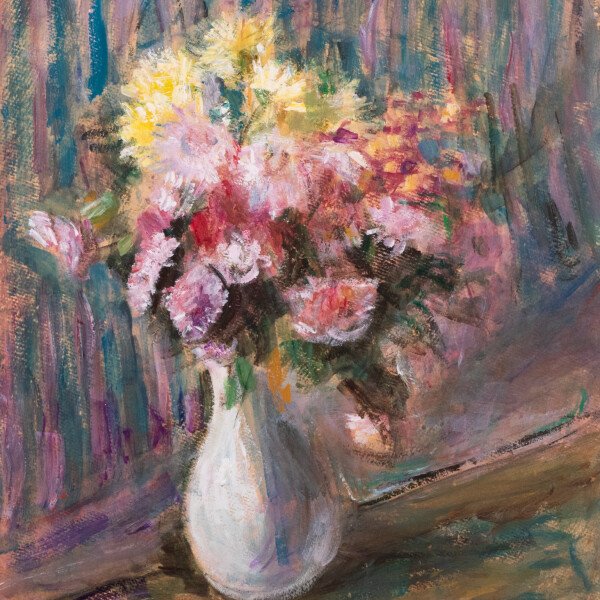
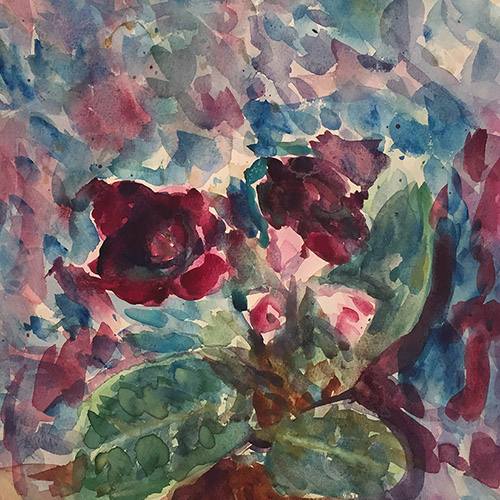
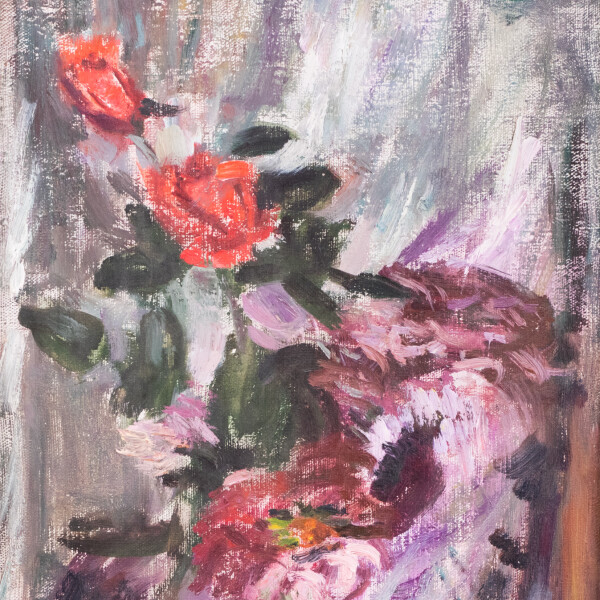
Linda Kits-Mägi’s artistic voice was shaped by late French Impressionism, whose influence is evident in her approach to color and light. She worked primarily in oil on cardboard, a medium that allowed for spontaneity and freshness in her compositions.
Her portrait “The Uzbek Girl” (1947) exemplifies her mature style. Created during her Central Asian travels, the work captures not merely the physical likeness but the inner character of its subject — her “outstanding individuality and strong personality” . Kits-Mägi builds the image through subtle color harmonies and a painterly touch that prioritizes atmosphere over rigid detail. The palette reflects the warmth and richness of Uzbek culture, while her brushwork retains the loose, vibrant quality inherited from the Impressionist tradition. Unlike the more structured approach of academic portraiture, Kits-Mägi allows color and light to define form, creating a living, breathing presence on the cardboard surface
Linda Kits-Mägi’s artistic identity was so closely aligned with French culture that her style stood apart from the dominant Soviet realist tendencies of her time. Her 1947 journey to Central Asia with her husband and colleagues was not just a creative expedition but also a moment of relative artistic freedom — a chance to explore color and light beyond the ideological constraints of official Soviet art .