FAMOUS ARTISTElmar Kits
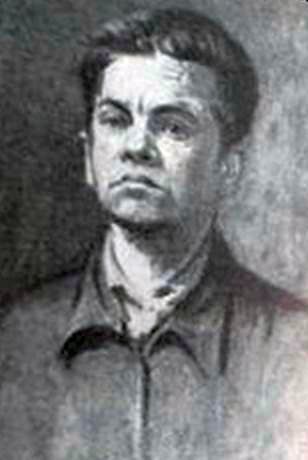
Elmar Kits is a pivotal figure in 20th-century Estonian art, often called the “Estonian Picasso” for his remarkable stylistic range. A graduate of the “Pallas” Art School, he emerged in the late 1930s as a vivid colorist, captivated by the play of light and shadow. His style evolved from Impressionism and Post-Impressionism to Socialist Realism (following official criticism for “formalism”) and later to semi-abstract and abstract art in the 1960s.
Elmar Kits mastered styles from realism to abstraction. His monumental 1947 group portrait remains the largest in Estonian painting, while his 1945 still life “Flowers” became a national classic.
Notable 1950s portraits include “Professor I. V. Veski” (1952) and his “Self-Portrait” (1956). The 1960s brought experimentation: the triptych “Music—Ballet—Fine Art” (1961–1962) and abstract works like “Trio” (1964). His 1969 canvas “V. I. Lenin” capped the decade.
Kits also created major murals, including the Estonia Theatre ceiling (1947) and works in Tarvas restaurant (1965) and Riisipere (1971).
He became People’s Artist of the Estonian SSR in 1971. The Art Museum of Estonia holds his legacy, with posthumous retrospectives in 1972 and 1975.
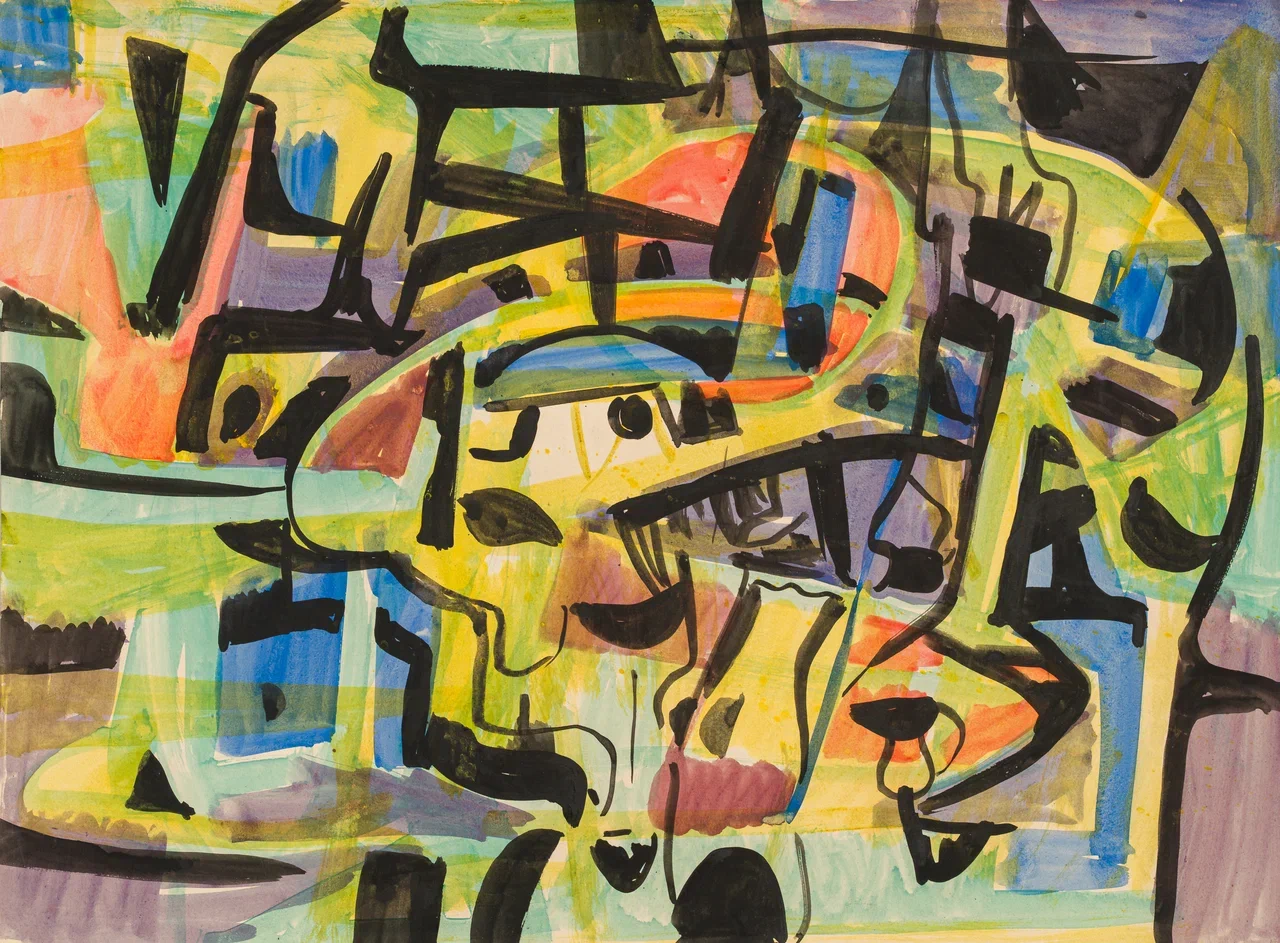
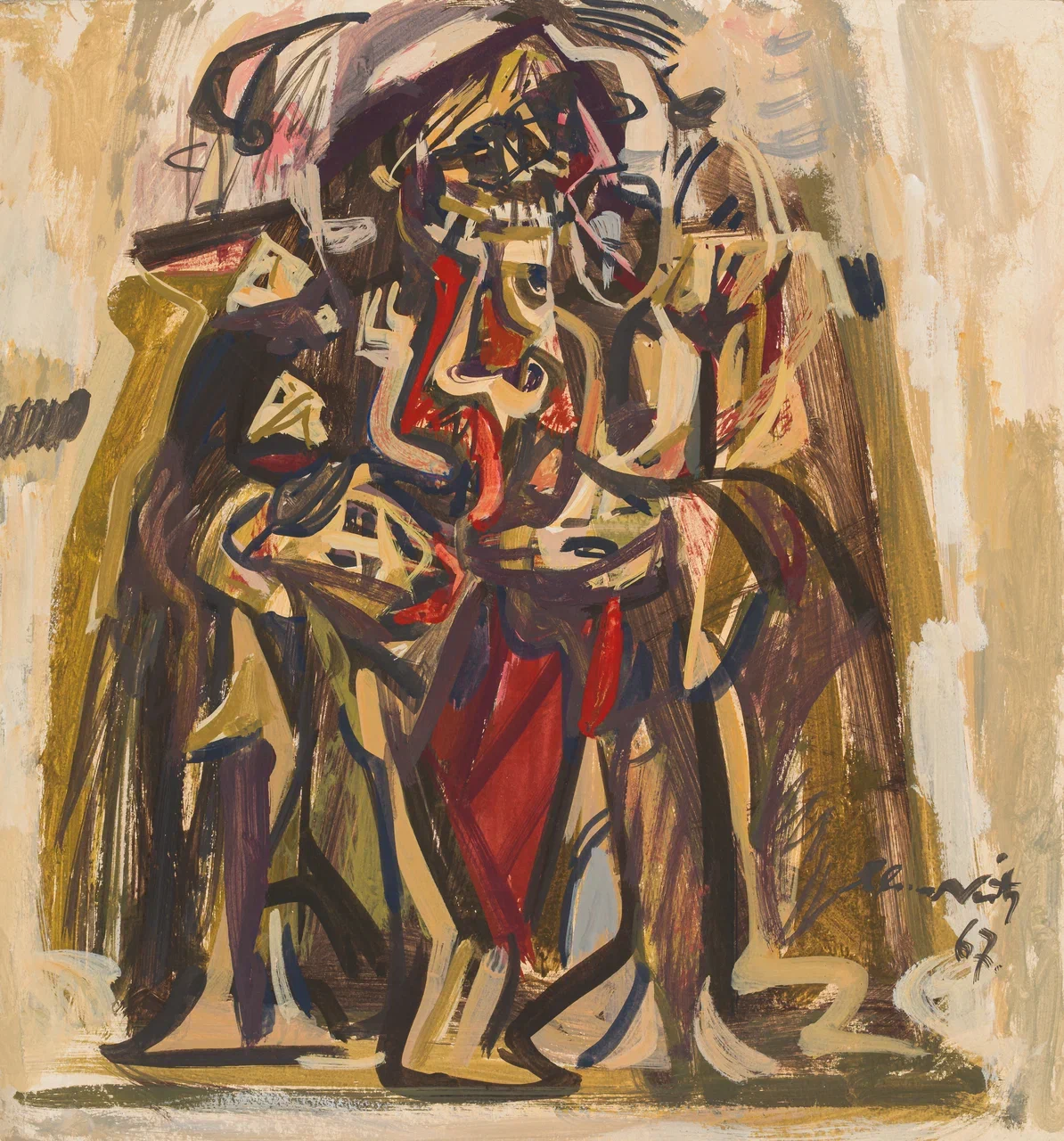
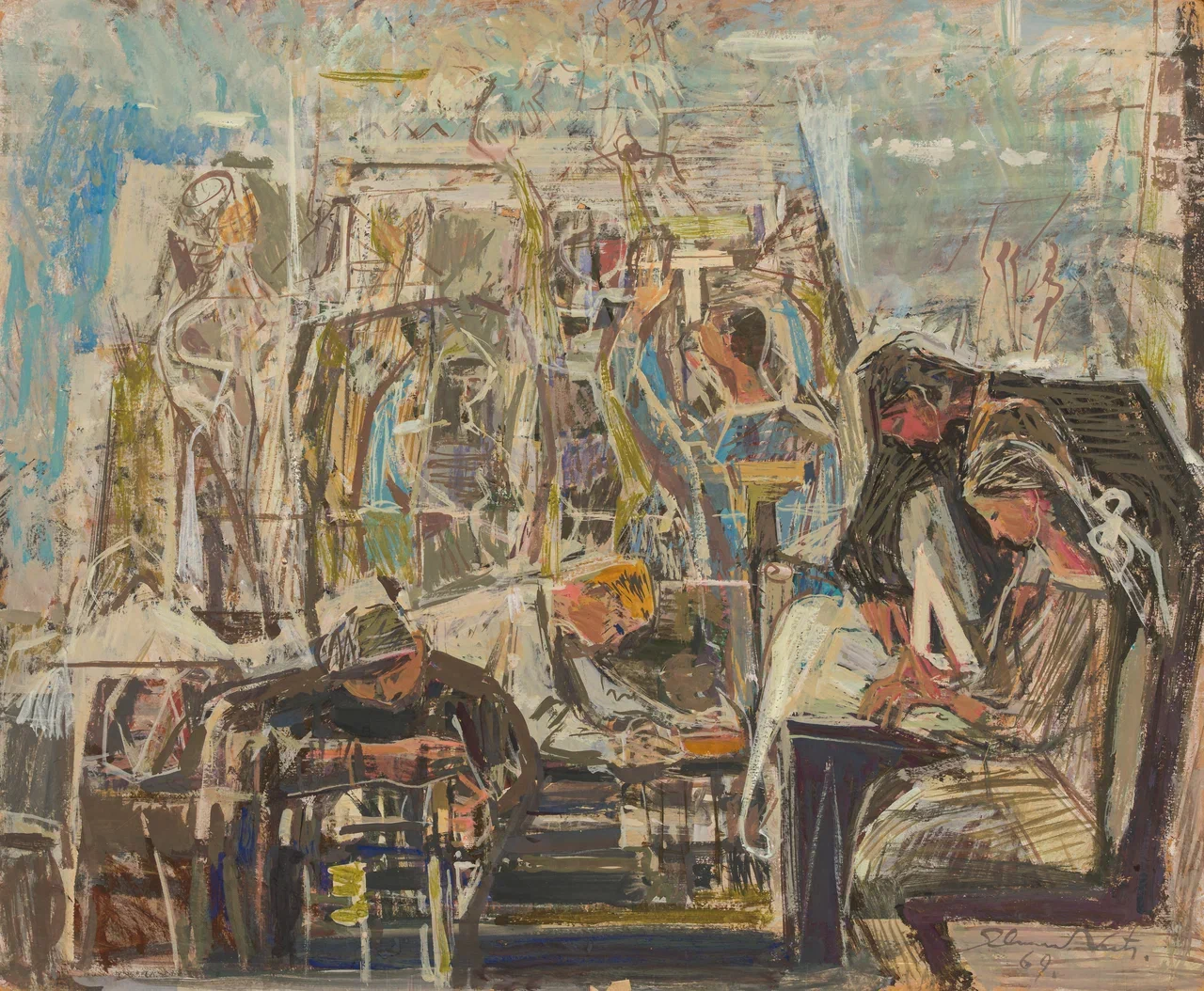
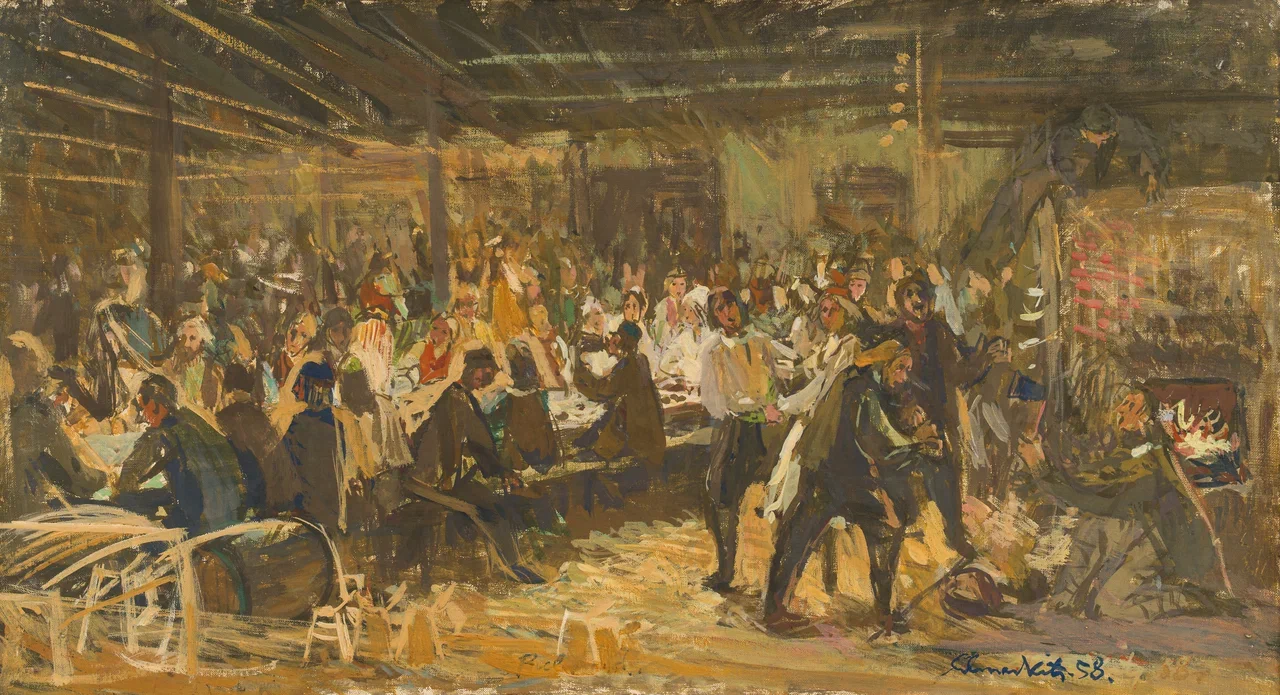
Kits’ work is distinguished by bold experimentation with form and color. He is renowned not only for his easel paintings but also for monumental murals. Landscapes, particularly views of Valgemetsa where he had a summer home, hold a significant place in his legacy. His ‘Nature Series’ from the mid-1950s brought him official recognition, while his exhibitions of semi-abstract works in Tartu and Tallinn in 1966 marked a significant step in easing the ideological pressure on art.
In 1947, Kits, along with Evald Okas and Richard Sagrits, painted the ceiling of the Estonian National Opera House in the Socialist Realist style.