FAMOUS ARTISTValerian Loik

Valerian Loik was a distinguished Estonian painter and educator, celebrated for his vibrant cityscapes and masterful still lifes . Born in Tallinn (then Revel) in 1904, his artistic journey began early; he started his studies at just 16 in 1920 . This was followed by an extensive 11-year education period at the renowned “Pallas” Art School in Tartu, from which he graduated in 1935 under the expert guidance of Ado Vabbe . Seeking to refine his craft, he traveled to France and Italy, an experience that enriched his perspective . A lesser-known fact from a 1984 radio interview reveals that his travels also extended to North Africa . After a forced pause, he returned to art in 1950, embarking on a long and impactful career as a lecturer at the State Art Institute in Tallinn, where he eventually became a professor . He was honored with the title of Honored Artist of the Estonian SSR for his significant contributions .
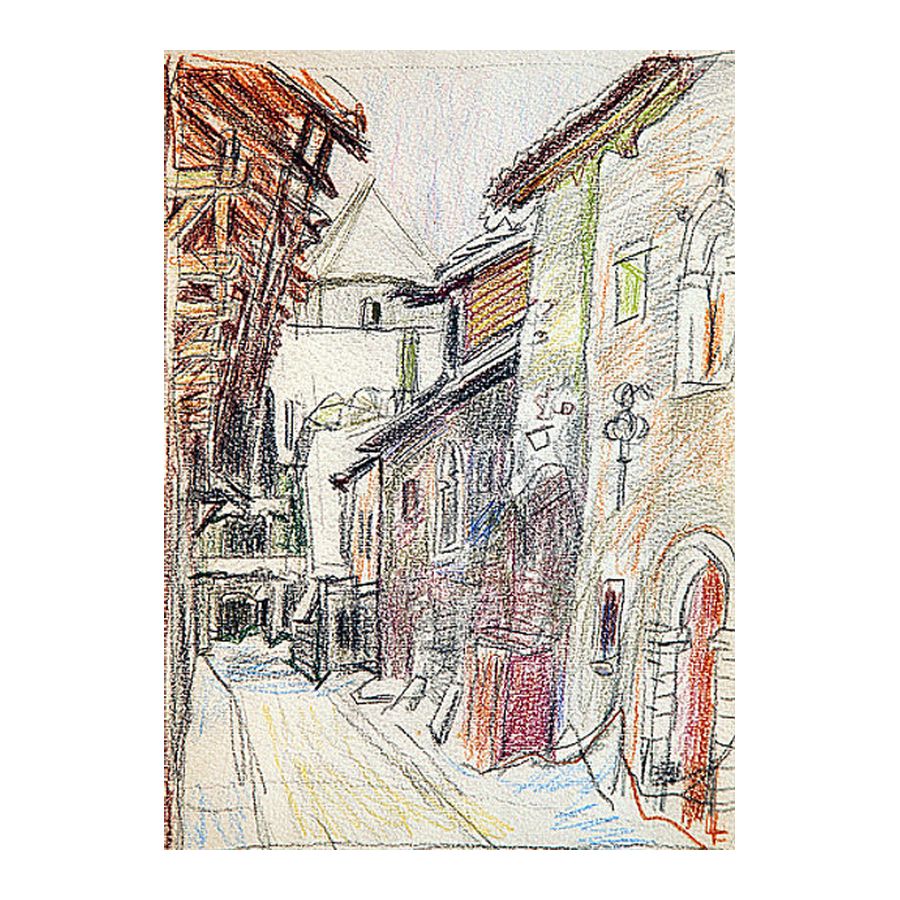
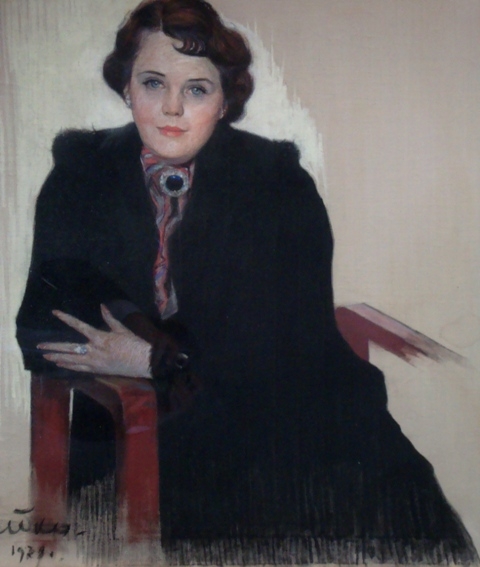
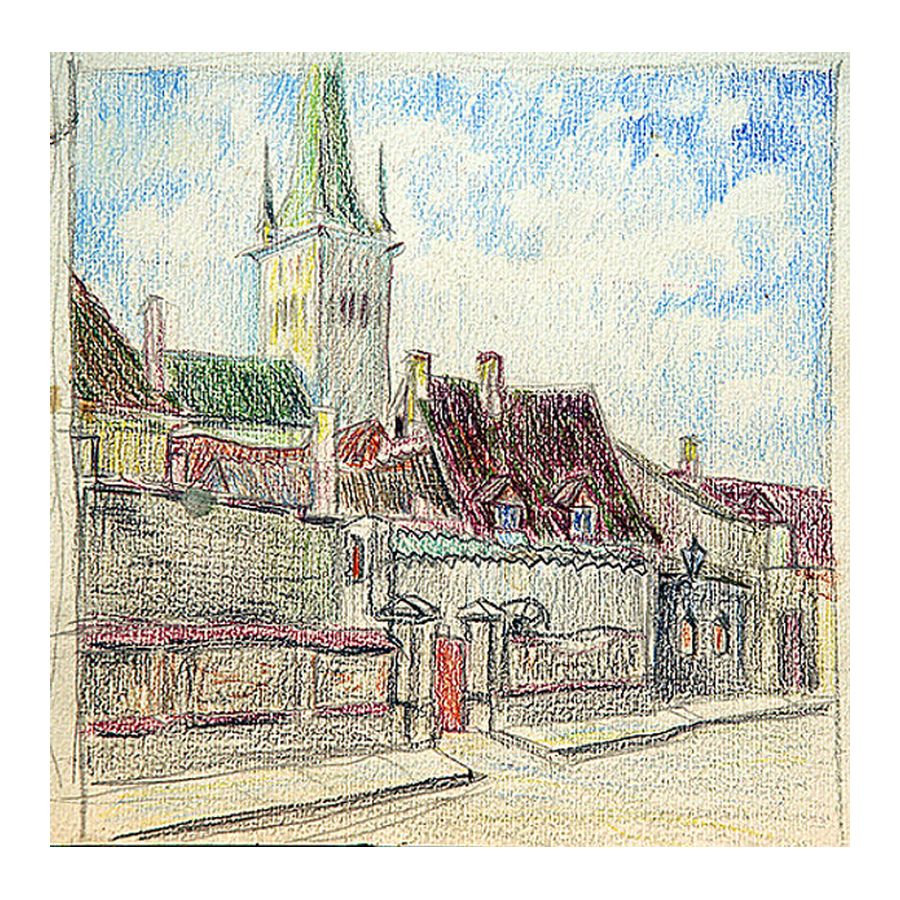
Loik was an artist of remarkable diversity, moving effortlessly between portraits, landscapes, interiors, and still lifes . While many of his contemporaries were influenced by modern trends, Loik remained unwaveringly true to his own ideals, continuing to paint in a style that was both realistically grounded and joyfully colorful . His palette is notable for its bright, strong, and decorative qualities . A recurring motif in his work is the old town of Tallinn, particularly the views of Toompea and its characteristic towers, which he explored from numerous angles . His brushwork is often described as free, light, and improvisational, suggesting he frequently painted en plein air, directly observing his subject .
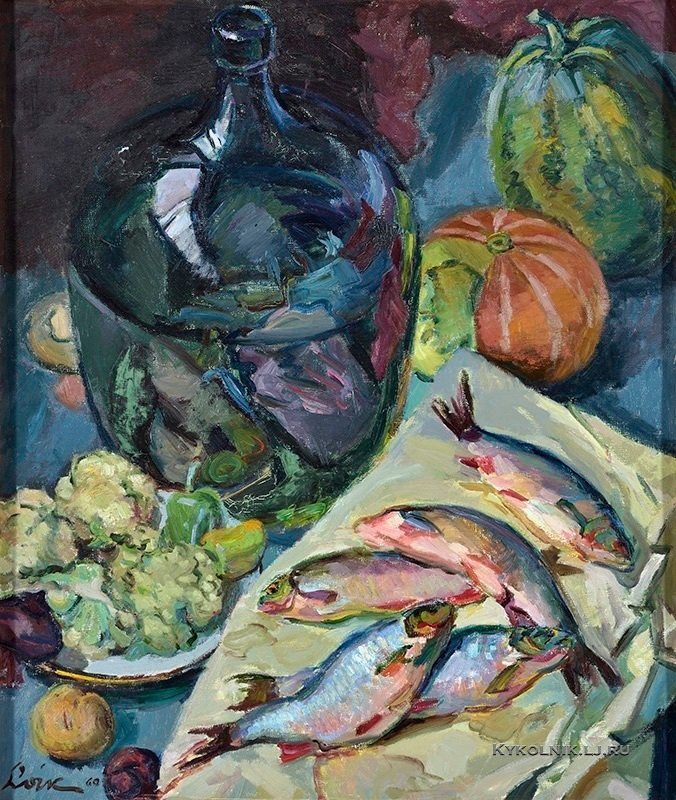
In works like “Still-Life (Interior)” from 1952, he demonstrated a keen eye for composition, filling a space with carefully arranged objects—a pipe, books, a telephone, a ship model—that create a rich, intimate portrait of a personal environment . His work is held in major Estonian and Russian museums, including the Art Museum of Estonia .
Valerian Loik’s time in Paris had a different focus than that of many of his peers. While others sought to enrich their color experience, Loik concentrated on achieving a strong, classical foundation in drawing . This dedication to draftsmanship underpinned all his later work, from his freely painted cityscapes to his carefully composed still lifes.